If you think modern trash-talk is brutal, you haven't seen anything yet. Long before internet comment sections existed, the Anglo-Saxons had turned insulting one another into a highly competitive, poetic art form. They didn't just throw lazy curse words around; they used sharp wit, metaphorical riddles, and guttural Germanic vocabulary to completely dismantle their opponents' reputations.
Whether you are trying to write authentic dialogue for a fantasy novel, level up your Dungeons & Dragons roleplay, or just looking for a brilliantly unique way to tease your friends, using a basic old english words translator often misses the cultural flavor behind historic slang.
This comprehensive guide dives deep into the thick world of genuine Anglo-Saxon insults, everyday slang, and historic terminology. Let’s explore how to insult like a medieval warrior—complete with literal translation guides and phonetic pronunciations.
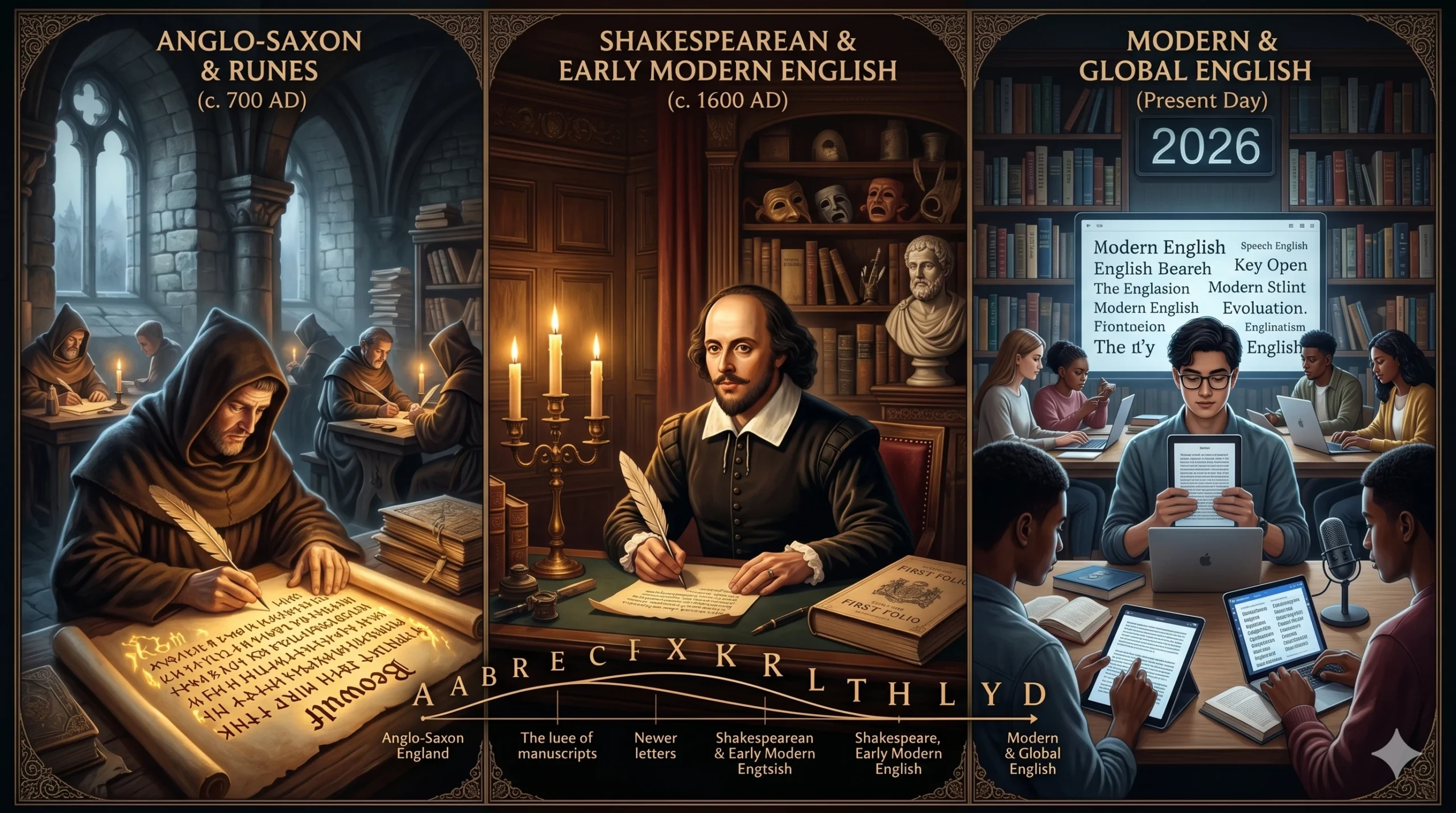
The Art of the 'Flyting': Medieval Rap Battles
To understand why these phrases sound the way they do, we have to look at a cultural phenomenon known as Flyting.
In Anglo-Saxon England (from the 5th to the 11th centuries), a flyting was a public exchange of poetic insults. Two wordsmiths would stand in a crowded feast hall and take turns trading sharp, verse-based barbs. They would mock each other’s bravery, question each other's hygiene, and accuse one another of cowardice. The crowd would cheer, drink mead, and declare a winner based on who had the most inventive vocabulary.
Losing a flyting could genuinely ruin your social standing in the community. It wasn’t just mindless screaming—it was a test of intelligence, quick-wittedness, and command of the complex grammar patterns that govern the language.
---Everyday Anglo-Saxon Slang & Idioms
Before we get into the heavy-hitting insults, let’s look at some common, everyday anglo saxon phrases and idioms that people used to describe the world around them. These terms show how closely their language was tied to nature, warfare, and community structures.
- Flæsc-hama (Flesh-home): The physical human body. The Anglo-Saxons viewed the body as merely a temporary physical coat or "home" for the soul.
- Bānhūs (Bone-house): A poetic term for a person's skeleton or physical frame. For example, to break someone's bone-house meant to kill or severely injure them in battle.
- Hord-weard (Hoard-warden): A king, chieftain, or trusted leader who protected the tribe’s treasure and resources.
- Gomen-wudu (Play-wood): A beautiful, poetic slang term for a stringed musical instrument, like a harp or a lyre, used in the great halls.
The Definitive Directory of Old English Insults
When you try to translate words to english from ancient texts, many terms lose their venom. Below is a thoroughly researched master database of genuine Anglo-Saxon insults, categorized by intent, alongside a guide on how to actually pronounce them.
1. Insults for Fools, Idiots, and Dunderheads
Intellect was highly prized in the feast halls. If someone lacked wit, these were the go-to phrases:
| Old English Term | Pronunciation Guide | Literal Modern Meaning |
|---|---|---|
| Dol-sceaða | Dohl-sha-thah | A foolish, short-sighted destroyer or rogue. Someone who ruins things out of pure stupidity. |
| Æwintre | Ah-win-treh | Literally translates to "one-winter-old." Used to imply that someone has the brain capacity or life experience of a newborn infant. |
| Gēoc-boren | Yay-awk-boren | Born to a yoke. Implies a person lacks a free mind and is only fit for simple, mindless labor. |
2. Insults for Cowards and Untrustworthy People
In a warrior culture built on loyalty and courage, being called a coward or a traitor was the ultimate dishonor. These words carried immense social weight:
| Old English Term | Pronunciation Guide | Literal Modern Meaning |
|---|---|---|
| Nīðing | Neeth-ing | A completely worthless outcast; a vile coward who has broken their oath to the community. This was a legal status that stripped away your rights. |
| Earg | Eh-ahrg | Effeminate, terrified, or completely lacking physical or moral courage. Slinking away from a fight. |
| Mān-swara | Mahn-swah-rah | A literal oath-breaker or perjurer. Someone whose word means absolutely nothing. |
3. Insults for Greedy or Over-Indulgent People
While sharing food and drink in the mead-hall was a massive part of their culture, taking more than your fair share was looked down upon severely:
| Old English Term | Pronunciation Guide | Literal Modern Meaning |
|---|---|---|
| Wambe-gila | Wahm-beh-yee-lah | A belly-glutton. Someone who cares significantly more about stuffing their face than contributing to the safety of the village. |
| Druncen-georn | Drun-ken-ye-orn | Eager for drink; a sloppy, uncontrollable drunkard who causes chaos at festive gatherings. |
Bonus: The Anglo-Saxon Insult Generator Matrix
Want to assemble your own historically accurate combination? Pick one descriptor from Column A, pair it seamlessly with a noun from Column B, run it through your inner old english sentence translator, and you have a custom insult ready to drop in your next game session:
| Prefix (Column A) | Suffix (Column B) | Resulting Concept |
|---|---|---|
| Hleor- (Cheek / Face) | -blind (Blind) | Hleor-blind: Someone who cannot look you in the eye. |
| Un-wittig (Witless) | -georn (Desirous) | Unwittig-georn: Actively eager to be completely stupid. |
| Mōd-gāl (Proud / Arrogant) | -frea (Master) | Mōdgāl-frea: A self-important boss whom nobody actually likes. |
Frequently Asked Questions About Historic Slang
Did the Anglo-Saxons have standard curse words like we do today?
Not in the same format. While they had terms for biological functions, their primary "curses" focused heavily on spiritual corruption, physical cowardice, legal outcasts, and breaking sacred oaths. To them, calling someone a oath-breaker (mānswara) was vastly more offensive than a modern four-letter word.
How can I make sure these insults sound authentic when spoken out loud?
The key to authentic pronunciation is focusing heavily on the consonants. For example, the letters 'sc' together almost always make a modern "sh" sound (like sceaða sounding like shatha). Treat the language as highly rhythmic, heavy, and punchy.
Want to see how your favorite modern phrase translates directly back into genuine, unfiltered early medieval phrasing? Head over to our core old english translator on the main homepage, paste in your text, and unlock the historic power of ancestral vocabulary!